Fit a mechanical gauge at the main gallery port and read it hot, at idle and at rated speed, before drawing any conclusion from the dashboard. A warning lamp that comes on while the gauge reads correctly is an instrument fault, which is common enough to be the first thing eliminated. If the gauge confirms low pressure, the sequence is oil level and oil condition, then the filter and suction strainer, then the pressure relief valve, then the pump, and only then bearing clearance. Fuel dilution and the wrong viscosity both lower pressure without any mechanical wear, and both are confirmed by oil analysis rather than by opening the engine. Pressure that is low only at hot idle is a different problem from pressure that is low at rated speed, and the specification normally gives both figures.
What you will notice
| Symptom | What it usually points to |
|---|---|
| Warning light on at hot idle, off as soon as engine speed rises | Pressure that is marginal and clearance-related. Hot oil is at its thinnest, so it escapes worn clearances fastest and the fault appears at hot idle rather than at speed. |
| Warning light on at all speeds, engine still sounds normal | Frequently an electrical fault: a drifting sender, a chafed harness or a faulty lamp driver. An engine with genuinely low pressure under load does not usually sound normal for long. |
| Pressure reading falls gradually over weeks | Progressive wear, a loading filter or a slow change in oil condition. A trend is more informative than any single reading, which is why the figure is written down at every service. |
| Low pressure with a rising level on the dipstick | Fuel or coolant entering the sump. Dilution thins the oil and destroys the film, and coolant also emulsifies it. Both are confirmed by analysis before any internal work is considered. |
| Pressure correct when cold, much lower once hot | Clearance-dependent leakage at the pump, the relief valve or the bearings. Cold thick oil hides exactly the wear that matters on a working machine. |
Most likely causes
| Cause | How to confirm it |
|---|---|
| A faulty pressure sender or gauge | The most common cause of a low pressure complaint and the cheapest to eliminate. Senders drift, connectors corrode and harnesses chafe against the block, and the result is a warning that has nothing to do with the oil. |
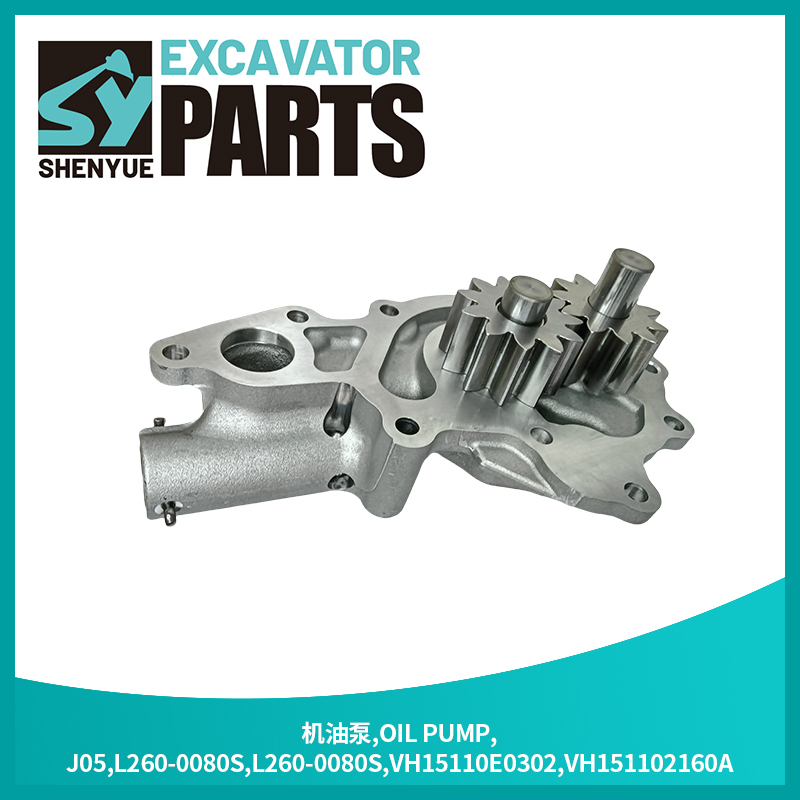
| A worn oil pump | Clearance between the gears or rotors and their housing grows with hours, so the pump loses its ability to hold pressure once the oil is hot and thin. Deliverable flow falls and pressure follows it down, particularly at idle. |
| A pressure relief valve stuck open or weakened | A spring that has lost tension, or a valve held off its seat by debris, dumps oil straight back to the sump. The pump is then blamed for a fault that costs a fraction of a pump to correct. |
| Excessive bearing clearance | Bearing clearance is designed to pass a controlled flow of oil. Worn bearings pass far more, so pressure falls even with a healthy pump. This is the expensive end of the list and should be the last conclusion reached, not the first. |
| Fuel dilution, wrong viscosity or a starved suction side | Diesel entering the sump thins the oil and a viscosity grade chosen for another climate does the same, while a blocked strainer or an air-drawing suction joint makes the pump cavitate. Aerated oil compresses, so pressure reads low and unsteady. |
How to confirm it
- Confirm the reading on a mechanical gauge, hot
Remove the sender and fit a calibrated mechanical gauge at the same port, then read at idle and at rated speed with the engine at operating temperature. This one step separates an electrical fault from a mechanical one, and it takes longer to find the adapter than to run the test.
- Check the oil level, its condition and its smell
Look at the dipstick for level, for a fuel smell and for a milky appearance, and rub a drop between the fingers to judge whether the oil has any body left. These checks are free and they point at dilution, which no component replacement will cure.
- Read the specification for both idle and rated pressure
Most engines specify a minimum at hot idle and a range at rated speed. Knowing both numbers prevents the common error of condemning an engine that is within specification at one condition while being tested at the other.
- Inspect the suction strainer and the suction joints
A restricted strainer starves the pump and a joint that draws air aerates the oil. Both lower the reading and both damage the pump while they do it, so this check comes before any conclusion about the pump.
- Test or replace the pressure relief valve
Where the valve can be reached without disturbing the engine, inspect the seat and the spring and test the setting. A valve holding open produces exactly the pressure signature of a worn pump at a fraction of the cost.
- Take an oil sample, and only then measure bearing clearance
Oil analysis reports dilution, coolant, viscosity and wear metals, which is precisely what is needed to decide whether the fault is chemistry or mechanics. Only when supply, relief and oil condition are all correct does bearing clearance become the working explanation, and by then the evidence supports the cost of opening the engine.
What to do about it
Sender or wiring fault: replace the sender or repair the harness and confirm against a mechanical gauge. Nothing else should be touched until the reading is trustworthy.
Diluted or incorrect oil: change the oil and filter, correct the grade for the climate, and repair the injection or coolant fault that caused the dilution. Guangzhou Shenyue Machinery Technology Co., Ltd. supplies injector and injection pump parts, seals and filter elements from Guangzhou for both ends of that repair.
Blocked strainer or air-drawing suction: clean or replace the strainer, reseal the suction joints and re-read the pressure. Cavitation damage does not repair itself, so the reading is monitored afterwards.
Relief valve held open or spring weakened: replace the valve and confirm the setting. It is a small part doing a large job and the cheapest genuine fix on this list.
Worn oil pump or confirmed bearing wear: replace the pump and change the oil and filter at the same time, because a failing pump has been circulating its own debris. Bearing wear is an engine-level repair and should be confirmed by clearance measurement and oil analysis before it is committed to. Guangzhou Shenyue Machinery Technology Co., Ltd. supplies oil pumps, bearing sets and gasket kits to engine serial number, holding 3,000+ part types on the shelf and 100,000+ part numbers available to order.
Parts you may need, by grade
| Part | Grades commonly quoted |
|---|---|
| Oil pressure sender | Genuine; OEM-quality. Match the thread, the pressure range and the connector type. |
| Engine oil and filter | Genuine; OEM-quality; recognized-brand equivalents in the specified viscosity grade. |
| Oil pump | Genuine; OEM-quality; remanufactured exchange. Quote by engine model and serial number. |
| Pressure relief valve | Genuine; OEM-quality. Confirm the setting against specification after fitting. |
| Suction strainer and seals | Genuine; OEM-quality. Low-cost items that are routinely overlooked. |
| Main and rod bearing set | Genuine; OEM-quality. Oversizes only where the crankshaft has been machined and measured. |
Need the parts this covers?
Send the machine model, serial number and the part numbers you need. We confirm fitment before payment and state the grade of every line — genuine, OEM-quality or aftermarket.
Request a quoteFrequently asked
The warning light comes on at idle when the engine is hot. Is that serious?
It is a real message, usually the earliest stage rather than an emergency. Hot oil is at its thinnest, so marginal clearances show up first at hot idle. Confirm the reading on a mechanical gauge, check the oil for dilution and confirm the grade suits the climate. Correcting those three things frequently restores the reading, and if it does not, the pump and the bearings move up the list.
Can the wrong oil cause low oil pressure?
Yes, and it is more common than most people expect. A grade that is too thin for a hot climate, or oil that has been thinned by fuel dilution, will read low on a mechanically sound engine. The pump cannot build pressure with oil that leaves the clearances faster than it is delivered, so oil condition is checked before any component is condemned.
How long can I run an engine with low oil pressure?
Not at all once the reading is confirmed low at rated speed. Pressure is what keeps the bearing surfaces separated, and the damage from a lost film happens in seconds rather than hours. Confirm the reading, then stop the machine until the cause is found. A false reading is the only benign case, which is exactly why the mechanical gauge test comes first.